
SINGAPORE — Food and beverage establishments in Singapore will be assessed under a new A-to-C food safety grading system from Jan 19, in a shift toward evaluating consistent performance over time rather than relying on a once-a-year inspection snapshot, the Singapore Food Agency (SFA) said on Wednesday. 
Known as the Safety Assurance for Food Establishments (SAFE) framework, the new approach replaces the long-running A-to-D grading system that has been in place for roughly three decades. Under SAFE, grades will reflect an outlet’s food safety track record, the implementation of food safety management systems, and the appointment of an advanced food hygiene officer for certain higher-risk operators. 
About 45,000 retail and non-retail food establishments will be graded A, B, or C, while newly opened outlets operating for less than a year will receive a “NEW” grade. 
How grading will work
In Phase 1, starting Jan 19, outlets must show more than three years of good food safety performance to receive an A grade, while those with one to three years of a good track record will receive a B. SFA said establishments will be subject to continuous inspections under the new framework. 
Outlets that commit major violations — such as licence suspensions under the points demerit system or court convictions for food safety offences — will be immediately downgraded to C and face more frequent inspections, SFA added. 
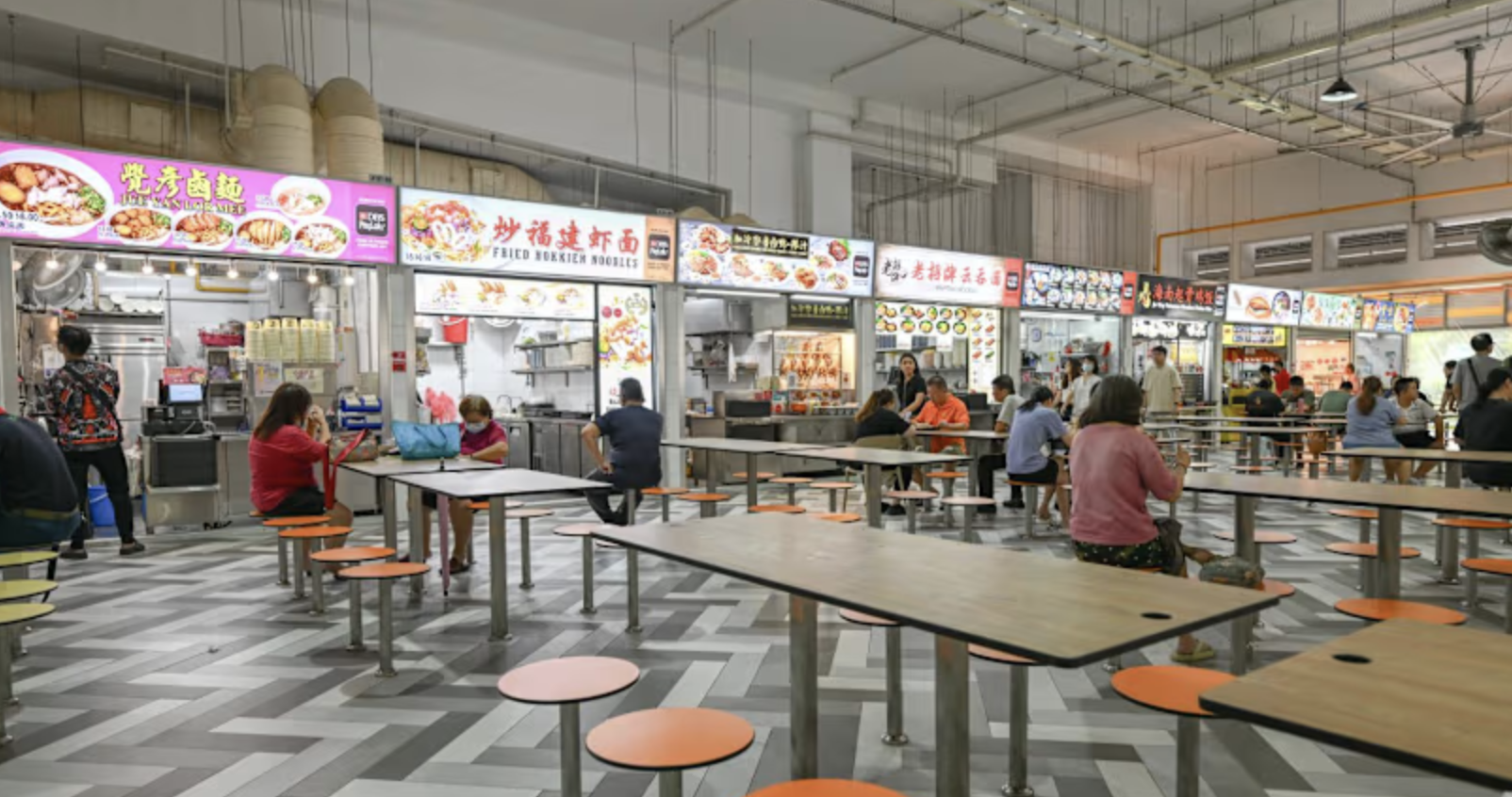
SAFE also groups businesses into two categories based on food preparation risk. Category 1 covers higher-risk operations such as larger-kitchen restaurants, caterers and certain food processing facilities, while Category 2 includes lower-to-moderate preparation outlets such as smaller restaurants, takeaway outlets, and stalls in coffee shops, hawker centres and food courts. 
What consumers will see
From Jan 19, diners can check an outlet’s grade by scanning the QR code on the SFA licence displayed at the premises or by visiting SFA’s website. Unlike the current system, outlets will not be required to prominently display their grades on-site. 
SFA said it expects close to 80 per cent of establishments to receive A or B, while less than 1 per cent are projected to be graded C, largely due to major lapses recorded in 2025.

댓글 작성