
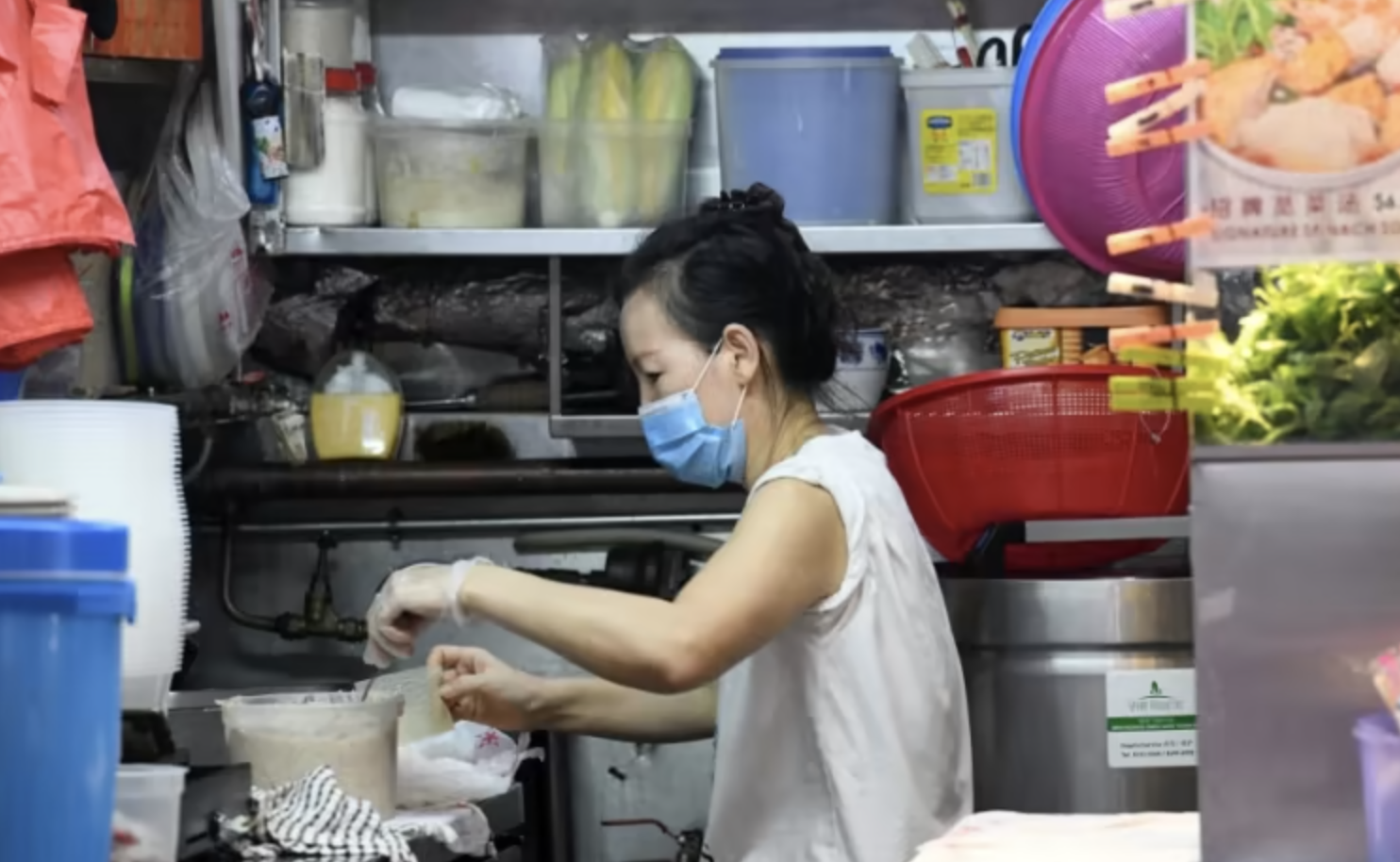
SINGAPORE — Hawker culture is a cherished institution in Singapore, celebrated for its diversity, affordability and central role in daily life. Yet the recent online criticism of a Yong Tau Foo stall has sparked debate over the responsibilities of food reviewers and the impact of public commentary on hawkers striving to make a living.
Last week, a social media post by a food reviewer drew attention after the poster described her experience at a popular hawker centre stall. The post, which questioned the quality and value of the Yong Tau Foo served, quickly gained traction online — prompting both agreement and backlash from members of the public.
On the surface, commentary and consumer feedback are part of a healthy marketplace. Diners increasingly turn to online reviews to guide their dining choices. But for many hawkers — including stall owners who work long hours, operate on thin margins, and often carry their craft through generations — such criticism can carry profound emotional and financial consequences.
Hawker veteran Mr. Tan, who declined to be fully named, said that while constructive feedback can be useful, the tone and reach of online commentary today are unlike anything previous generations experienced. “When you’re a hawker, every word matters,” he said. “A snapshot or a caption can influence hundreds, even thousands of customers.”
Experts warn that online reviews — especially those delivered without context or nuance — can unfairly shape public perception. Food and culture commentator Dr. Elaine Lim said criticism should be grounded in fairness and understanding of the challenges hawkers face. “Hawkers are not restaurants with large staffs, quality control departments or marketing teams. They are individuals with craft, passion and pride,” she noted.
The case has prompted discussion among diners about the line between honest consumer feedback and harsh judgment. Some argue that transparency and free commentary benefit consumers. Others counter that the human cost of disparaging remarks — especially for small business owners — must be weighed more carefully.
As Singapore positions hawker culture for UNESCO World Heritage recognition, the dialogue highlights a broader question: how can a community balance candid feedback with respect for the people behind the food?

댓글 작성